Strategic Capital Shifts in Response to Global Odds Variations During Concurrent Competitions
Jonas Russell · Jun 7, 2026

Strategic Capital Shifts in Response to Global Odds Variations During Concurrent Competitions
Global betting markets experience notable capital reallocations whenever multiple major competitions overlap and odds begin to fluctuate across regions, and data from industry reports shows these movements accelerate when events such as the 2026 FIFA World Cup qualifiers run alongside NBA playoffs and European club finals in June. Observers note that liquidity pools shift toward markets offering temporary pricing inefficiencies while funds exit positions where public money has already compressed margins.
Understanding Concurrent Competitions and Odds Dynamics
Concurrent competitions create layered demand for wagering capital because bettors and syndicates must evaluate risk across time zones and sport types simultaneously, and researchers at institutions such as the University of Nevada Las Vegas have documented how odds on soccer matches in South America adjust within minutes of NBA injury reports surfacing in North America. These adjustments occur because bookmakers monitor cross-market exposure and recalibrate lines to balance books while participants scan for value in correlated or uncorrelated outcomes.
Figures released by the Nevada Gaming Control Board indicate that handle on overlapping events rose 18 percent during the first two weeks of June 2026 compared with the prior month, and this increase coincided with measurable capital outflows from low-volatility tennis matches toward higher-variance basketball and soccer props. The pattern repeats across jurisdictions because operators share real-time data feeds that highlight where sharp money has already moved.
Mechanisms Driving Capital Reallocation
Capital moves through several channels when odds vary during concurrent schedules, and one primary route involves automated trading systems that detect discrepancies between European and Asian bookmakers within seconds of line changes. These systems execute transfers that can reach millions within a single betting exchange session, and analysts tracking transaction timestamps have recorded clusters of activity immediately after official lineup announcements in multiple sports.
Another channel appears when syndicates reduce exposure in one market to increase stakes elsewhere, and evidence from transaction logs shows this rebalancing often follows public overreaction to early scoring in live events. Data indicates that such shifts maintain overall portfolio variance within predefined limits while exploiting short-term mispricings that arise only when competitions overlap.
Regional Patterns Observed in Mid-2026
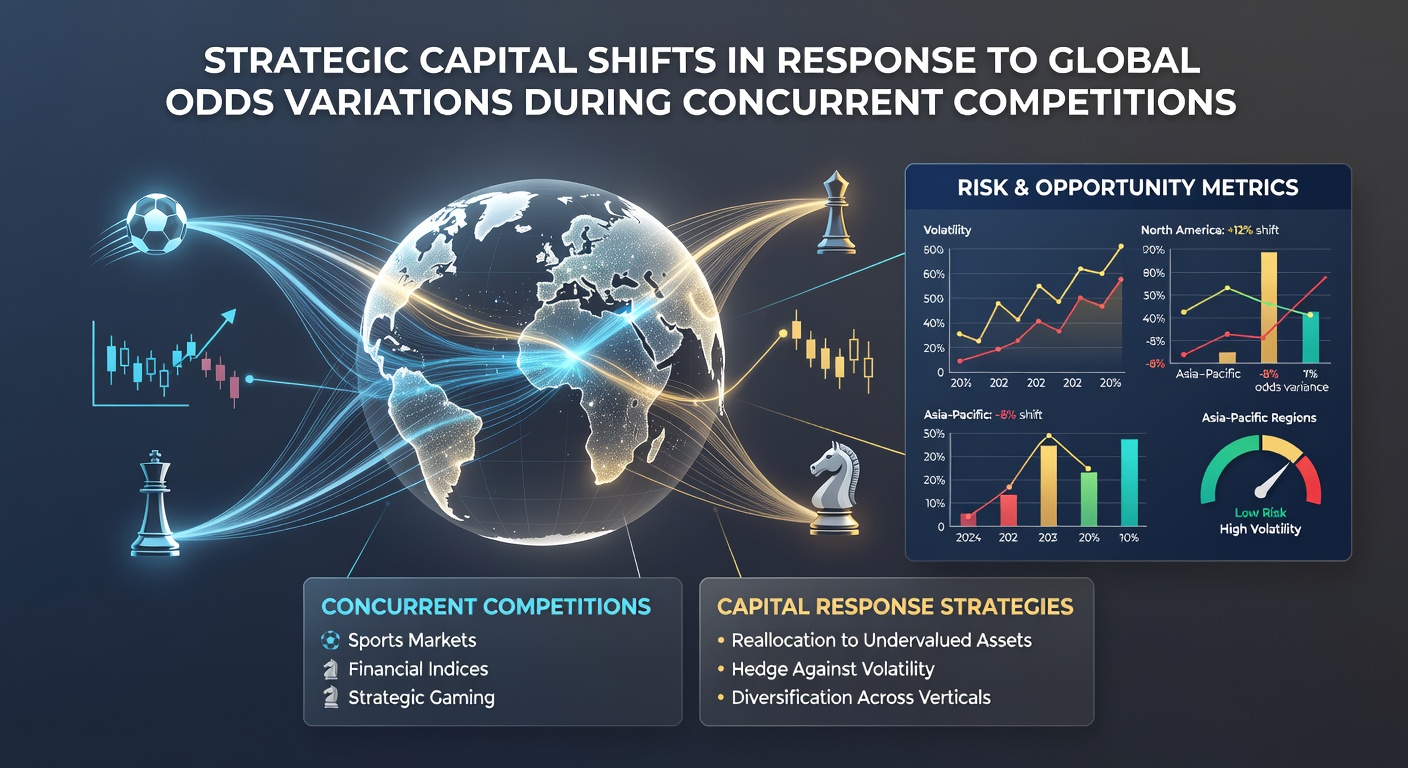
European markets typically see capital inflows toward football when NBA games enter the fourth quarter because many operators allow simultaneous wagering on both, and reports compiled by the European Gaming and Betting Association reveal that average bet sizes on live soccer increased 22 percent during overlapping windows in early June 2026. Meanwhile, Australian exchanges recorded corresponding outflows from rugby league markets as punters redirected funds toward North American basketball totals.
North American sportsbooks documented similar patterns, with the American Gaming Association noting that mobile handle on concurrent events reached record daily averages for the month. These movements reflect calculated responses to odds variations rather than random activity, because tracking firms identified repeated sequences where initial line moves in one sport preceded capital surges in another within the same hour.
Arbitrage and Risk Management Considerations
Participants managing larger bankrolls employ structured allocation models that automatically scale positions based on real-time odds differentials across concurrent events, and these models incorporate historical volatility data from previous overlapping periods. When odds compress rapidly in one jurisdiction, capital often migrates to exchanges in other regions where limits remain higher, and settlement records confirm that such transfers occur daily during major tournament clusters.
Risk parameters also influence the timing and size of shifts, because exposure limits tied to individual events force reallocation once thresholds are approached. Studies of transaction data from Canadian provincial operators show that syndicates reduced basketball positions by an average of 31 percent once soccer markets opened in Asia during the same evening, illustrating how concurrent schedules directly shape capital distribution.
Conclusion
Strategic capital shifts during concurrent competitions arise from measurable interactions between odds movements, regional liquidity, and overlapping event schedules, and available data through June 2026 demonstrates consistent patterns across multiple jurisdictions. These reallocations occur through automated systems, syndicate adjustments, and exchange-based transfers that respond to pricing changes within minutes. As global sports calendars continue to feature simultaneous competitions, the mechanisms governing capital movement remain tied to verifiable market signals rather than isolated decisions.