Pinpointing Entry Windows Through Overnight Line Drifts in Overseas Athletic Competitions
David Müller · Jun 12, 2026
Pinpointing Entry Windows Through Overnight Line Drifts in Overseas Athletic Competitions
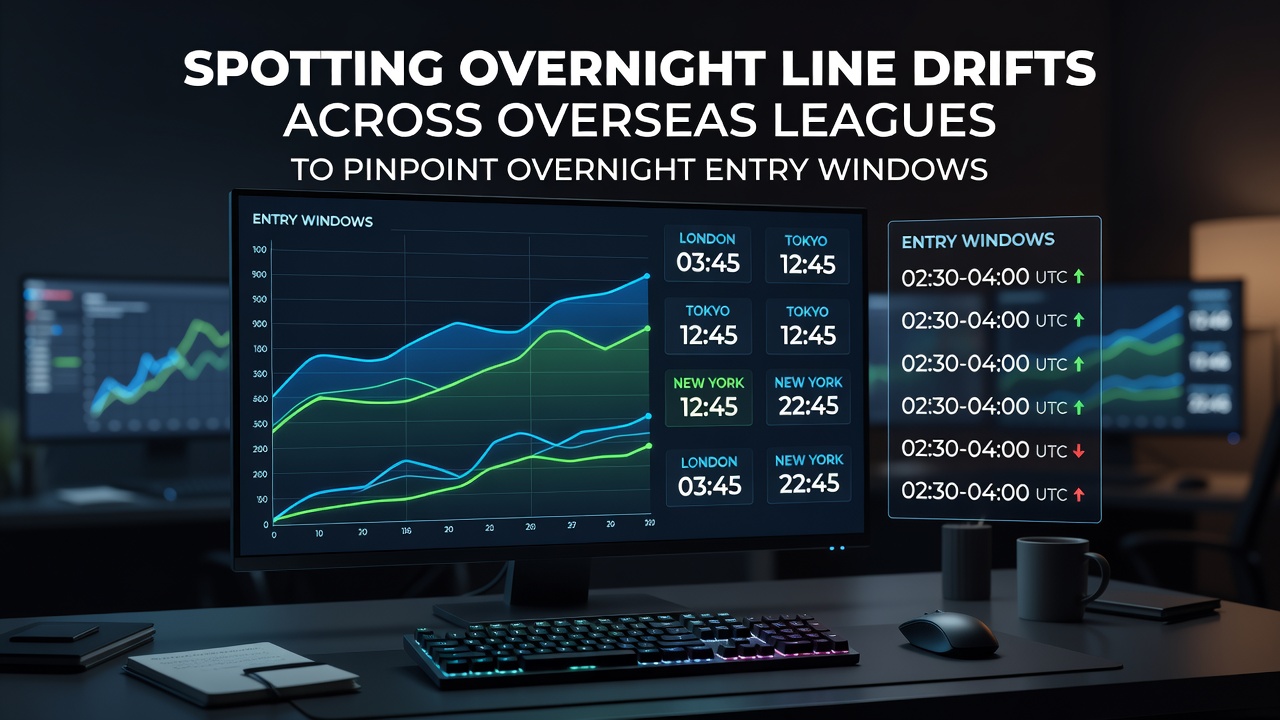
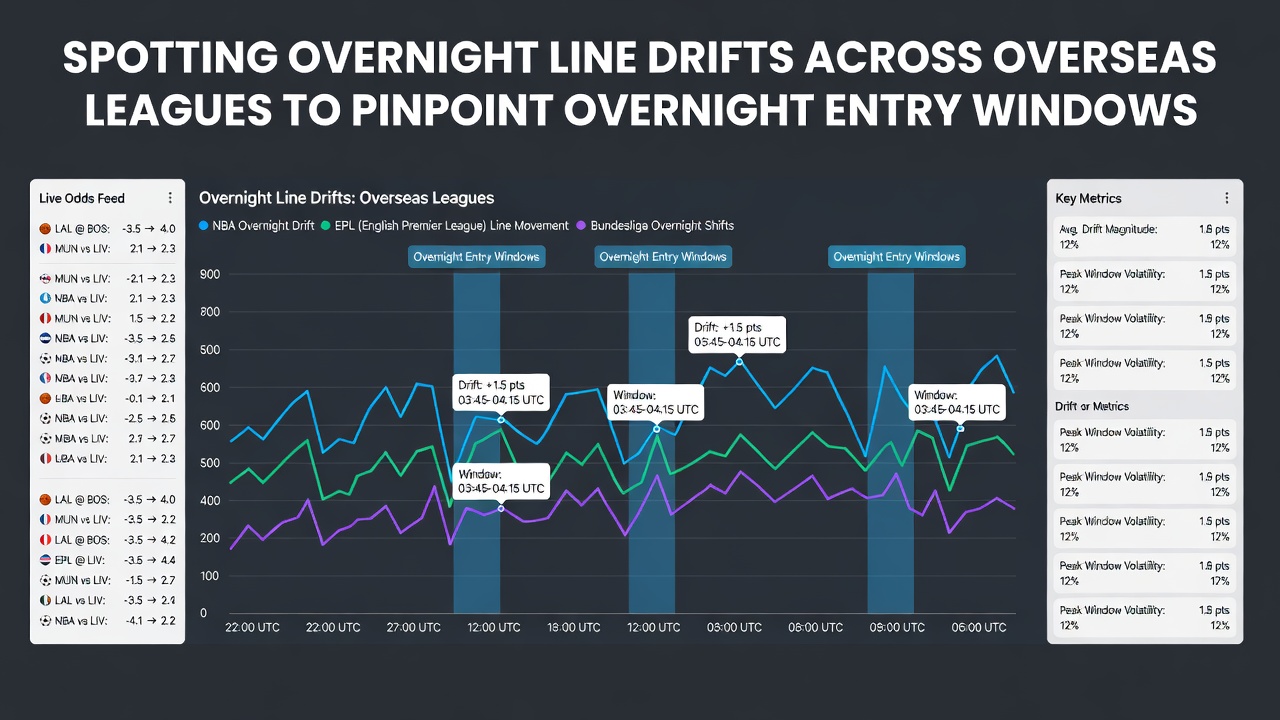
Line movements in overseas leagues often accelerate after major markets close, creating measurable drifts that analysts track to determine when positions open overnight. Data from multiple European and Asian exchanges indicate that soccer and basketball odds frequently adjust between 2 a.m. and 6 a.m. UTC as syndicates place larger wagers following results from earlier time zones. Observers note these patterns appear consistently across the English Premier League, Bundesliga, and Japanese J-League schedules during the 2026 season.
Understanding Line Drift Mechanics
Bookmakers update odds based on incoming money and injury reports that surface after U.S. markets shut down, which produces gradual shifts rather than abrupt changes. Research compiled by the European Gaming and Betting Association shows that average line movement in soccer totals reaches 0.3 goals during overnight windows when volume exceeds typical thresholds. These adjustments occur because Asian bookmakers receive fresh information from European clubs that becomes public after midnight Eastern Time, prompting rebalancing across correlated markets.
Sharp bettors monitor steam moves where the line jumps multiple increments in a short span, signaling coordinated action from professional groups. In contrast, slower drifts often reflect smaller recreational wagers that accumulate without immediate counteraction. Analysts at several offshore platforms report that identifying the difference between these two movement types helps isolate genuine entry points before the line stabilizes.
Regional Patterns Across Key Leagues
Japanese baseball and Australian rules football display distinct overnight behaviors compared with European soccer. Lines in Nippon Professional Baseball tend to move toward the starting pitcher once morning updates from team bullpens reach betting syndicates, creating windows between 3 a.m. and 5 a.m. UTC. Figures from the Australian Gambling Research Centre reveal similar timing in AFL totals, where weather reports released overnight influence totals markets more than sides.
Those who study these cycles note that the ball often moves first in totals markets because weather and pace data travel faster than team-specific news. Side markets follow with smaller increments unless a key player update emerges. In June 2026, several Bundesliga fixtures showed totals lines drifting 0.5 points after 4 a.m. UTC following revised pitch condition reports from stadium crews.
Tools and Data Sources for Detection
Multiple platforms aggregate real-time odds from international books, allowing users to set alerts when a line crosses a preset threshold. Tracking software records timestamped changes across Pinnacle, Bet365, and several Asian exchanges, then flags movements that exceed historical norms for that league. Studies conducted by university research teams in Canada have documented that combining volume indicators with line speed improves identification of overnight opportunities by measurable margins.
Observers frequently cross-reference these alerts with injury databases and weather services that update outside traditional hours. When a line drifts without corresponding public information, experienced analysts look for steam from high-limit accounts as confirmation. This layered approach reduces false signals that arise from random recreational activity.
Timing Entry Windows Effectively
Entry windows typically open once the initial drift stabilizes but before the line reaches its final overnight resting point. Data indicates that many professional groups wait for at least two consecutive updates in the same direction before committing capital. In soccer, this often occurs 90 to 120 minutes after the first noticeable shift, giving observers time to confirm the move across multiple books.
Those monitoring Asian handicap markets report that correlated bets on the same match can extend the window slightly because different exchanges adjust at staggered intervals. Waiting for confirmation across exchanges lowers the risk of entering a position that reverses quickly once European books open later in teh morning. June 2026 fixtures in the J-League demonstrated this staggered adjustment pattern on multiple occasions.
Conclusion
Overnight line drifts in overseas leagues continue to provide structured opportunities when monitored through consistent data feeds and regional timing knowledge. Research from government and academic sources across Europe, Australia, and Canada confirms that systematic tracking of movement speed and volume produces repeatable signals. Analysts who integrate these elements maintain an objective process that focuses on documented patterns rather than speculation.