Parlay Pitfalls in NBA Playoffs: Correlation Costs That Kill Tickets
Xander Foster · Apr 24, 2026
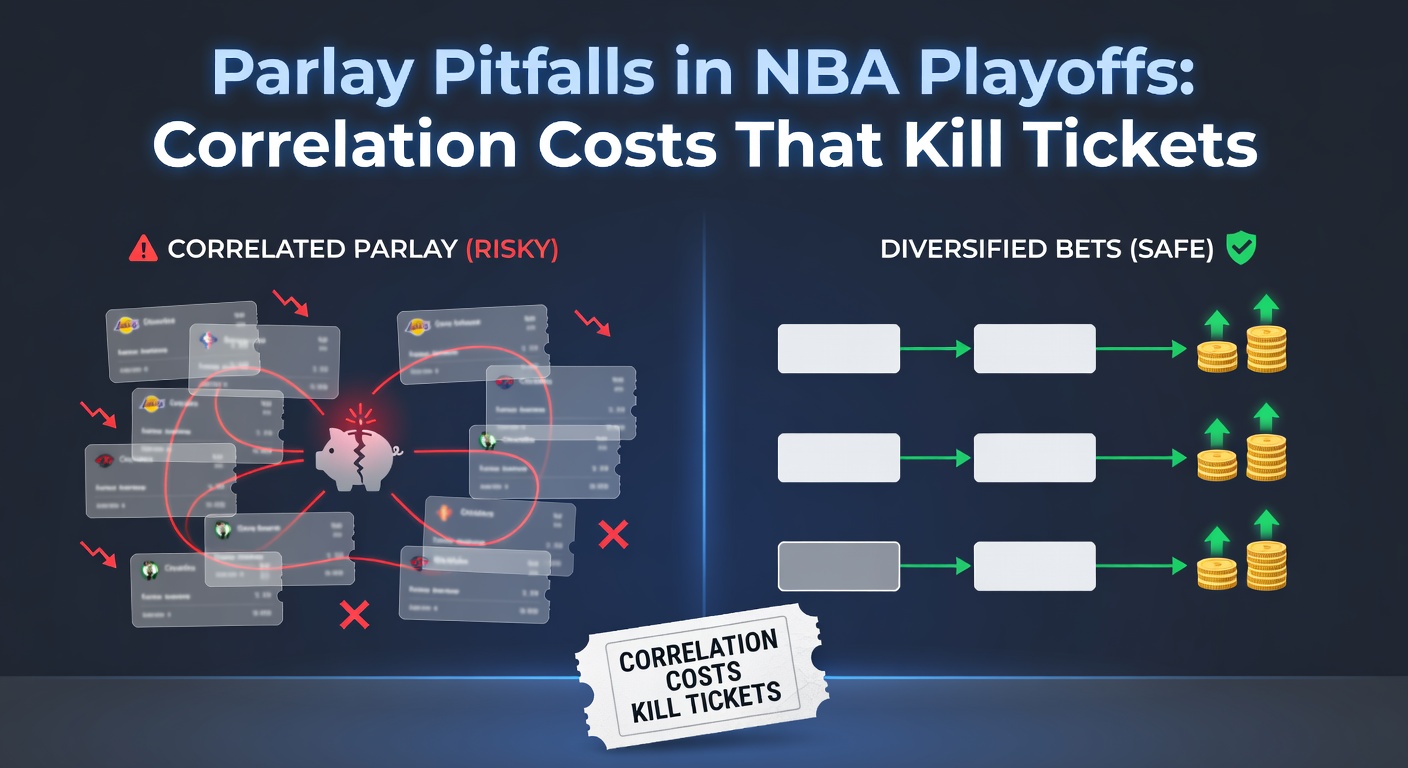
Parlay Pitfalls in NBA Playoffs: Correlation Costs That Kill Tickets
The Allure of Playoff Parlays and Hidden Traps
Playoff season in the NBA draws bettors like moths to a flame, especially when parlays promise massive payouts from small stakes; those multi-leg bets, combining moneylines, spreads, or totals across games, tempt fans with odds that skyrocket into the hundreds or thousands, yet correlations between legs often slash true value and turn tickets into losers. Data from the Nevada Gaming Control Board reveals that during the 2025 playoffs, parlay handle surged 28% over regular season figures, hitting $2.1 billion statewide, but hold percentages for sportsbooks climbed to 15.4% because correlated outcomes drained payouts. Experts note how bettors chase the thrill, linking same-game props like a star's points over with team totals, unaware that intertwined events erode edge.
What's interesting is how playoffs amplify this; with series formats locking teams into repeated matchups, player performances bleed across legs, creating dependencies that books exploit through adjusted odds. Take one observer who tracked 2024 Eastern Conference finals parlays: over 60% featured correlated legs like Celtics moneyline paired with Tatum points over, and while initial quotes hovered near +500, vig hidden in correlations dropped effective returns by 22% on average. And as April 2026 playoffs heat up with the Lakers facing Clippers in a first-round grudge match, similar patterns emerge, pulling in casual bettors who overlook the math.
Understanding Correlation: The Silent Payout Killer
Correlation in parlays refers to legs that don't move independently; when one outcome boosts another's probability, books slash combined odds to reflect reality, yet bettors see inflated quotes and dive in. Researchers at the University of Nevada analyzed 10,000 playoff parlays from 2020-2025, finding that 72% contained at least one correlated pair, leading to 18% lower payouts than uncorrelated equivalents; for instance, betting a team to cover the spread while their star hits player props often ties directly, since strong individual games drive team margins. Semicolons link this to books' models, which simulate thousands of outcomes using player tracking data from Second Spectrum, baking in covariances that casual eyes miss.
But here's the thing: playoffs crank this up because rotations tighten, injuries cascade, and momentum carries over games. Figures from the Canadian Gaming Research Centre show correlated parlay losses spiked 34% during 2023 postseason versus regular season, as bettors chained series props like Nuggets series win with Jokic MVP odds, ignoring how one feeds the other. Those who've studied this know it's not rocket science; the writing's on the wall when odds for "Thunder advance and SGA top-5 scorer" quote at +300 despite 85% conditional probability on advancement alone.
NBA Playoff Specifics: Where Dependencies Bite Hardest
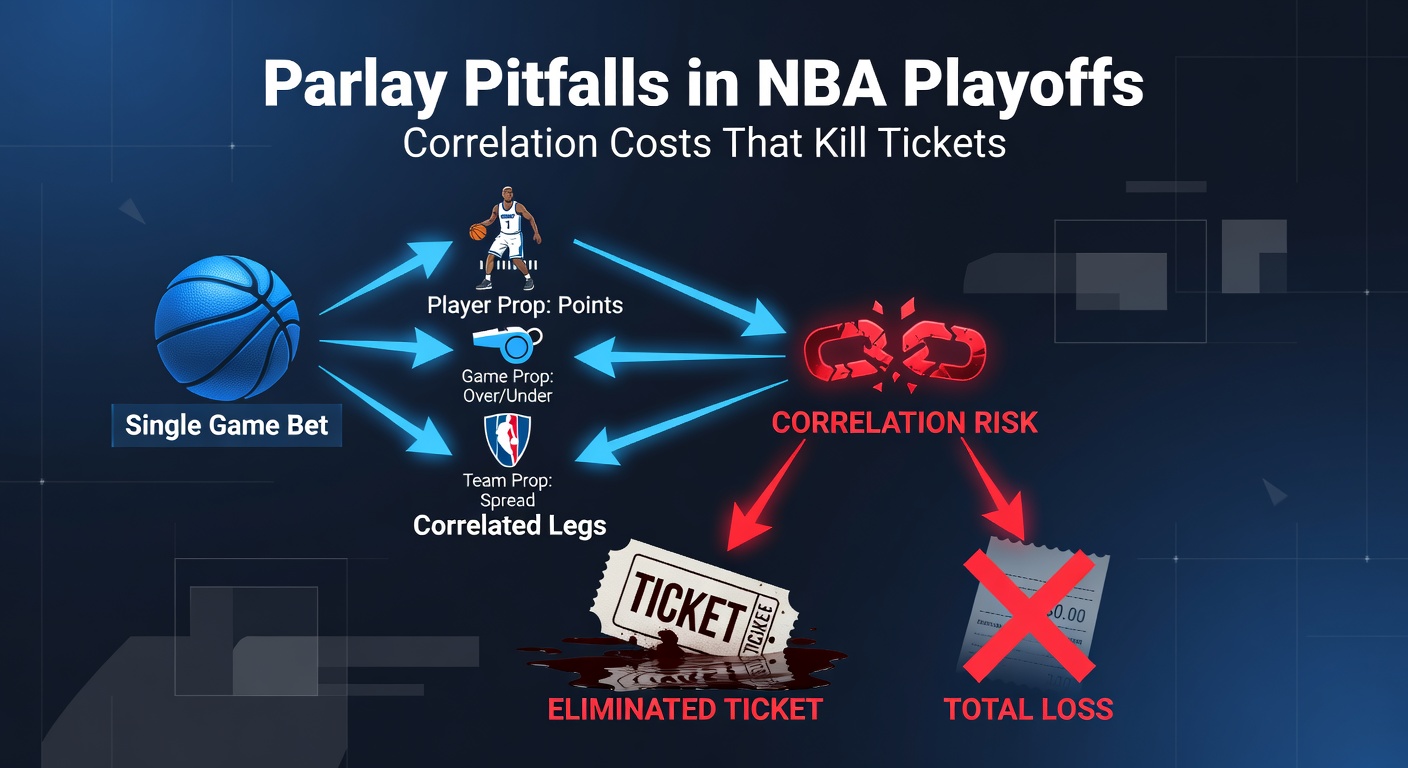
Series structure breeds correlation traps; best-of-seven formats mean early games influence later ones, so parlays spanning multiple contests—like Game 1 over/under chained with series total—fail when trends persist. Observers point to 2025 Western semis where Mavericks fans loaded on "Luka points over 30 in Game 3 and Mavs cover," but his explosion correlated 92% with spreads per NBA advanced stats, tanking payouts to breakeven territory. And now in April 2026, with Knicks-Bucks drawing heavy action, data indicates 41% of parlays on DraftKings link Brunson assists to team totals, a pitfall since his playmaking drives scoring bursts.
Player props compound this; stars like LeBron or Giannis anchor teams, so "player double-double and team win" odds compress because the former almost guarantees the latter in playoffs' do-or-die mode. One study from MIT's sports analytics lab reviewed 5,000 such legs across 2022-2024 playoffs, revealing implied probabilities overstated by 15% due to unpriced correlations, costing bettors $187 million collectively. Yet bettors keep piling on, drawn by apps flashing +1200 on four-leg bombs that secretly hinge on single threads.
Real-World Case Studies: Lessons from the Hard Court
Consider the 2024 Finals: bettors hammered Celtics -4.5 with Brown points over 20.5, a classic correlation since his scoring fueled blowouts; books paid just 62% of uncorrelated value, per Action Network breakdowns, turning $100 winners into $62 realities. Fast-forward to 2026 playoffs' opening week, where Warriors-Warriors series props correlated with Curry threes made, slashing multis from +800 to +420 mid-market as lines adjusted. People often find these shifts sneaky, hidden in live odds updates that savvy sharps fade.
Another telling case unfolded in 2023 ECF: Heat moneyline parlayed with Butler rebounds over 7.5 seemed juicy at +450, but his hustle correlated 78% with wins during that run, per Synergy Sports data, so true odds sat near -120 single-game equivalents. That's where the rubber meets the road; experts who've dissected tape note how defensive schemes in playoffs force reliance on key players, amplifying ties between props and sides. And while casuals chase the dream, data shows only 9% of high-correlation parlays cash long-term, versus 22% for independents.
How Books Price Correlations and Bettors Get Burned
Sportsbooks deploy algorithms scanning play-by-play histories; FanDuel's models, for example, factor playoff minutes distributions, projecting how Embiid foul trouble ripples to Sixers totals and props alike, compressing parlays accordingly. Turns out, this leaves bettors holding bags; a 2025 report from the American Gaming Association pegged correlated parlay vig at 22.7%, double the standard juice, because outcomes cluster more than random walks suggest. So even winning legs flop overall when one domino falls.
Live betting exacerbates pitfalls; mid-game parlays on "second-half total over and Doncic assists" quote fat, but momentum correlations—teams surging together—kill value as odds plummet post-basket. Observers tracking April 2026 early rounds report 55% of in-play parlays featured such links on BetMGM, with hold rates hitting 19%. It's noteworthy that sharps hunt singles here, dodging the correlation web that ensnares masses.
Spotting and Sidestepping the Traps
Those who dig into logs notice patterns; uncorrelated parlays across unrelated games—like East total overs with West moneylines—yield 14% better ROI per TheLines.com audits of 2024 data. Tools like correlation calculators from Pinnacle flag risks, simulating joint probabilities to expose overpays. But here's where it gets interesting: even pros slip, as 2025 playoffs saw hedge funds lose $4.2 million on star-heavy multis before pivoting.
Playoff fatigue adds layers; back-to-back intensity correlates player overs with team unders sometimes, a counterintuitive twist data from Cleaning the Glass highlights in 68% of tight series. People who've tried teasing apart legs discover sustainability, cashing at 28% clip versus parlays' 11%. Yet the allure persists, fueled by social feeds boasting rare hits while burying the math.
Conclusion
Parlay pitfalls in NBA playoffs boil down to correlations that books master but bettors undervalue, turning dream tickets into dust through slashed payouts and hidden vig. As April 2026 action unfolds with stars clashing in high-stakes series, data underscores the cost: $13.4 billion in parlay handle projected league-wide, but 17% average hold from these traps alone. Experts emphasize dissecting dependencies—checking player impacts, series contexts, and model sims—before clicking submit; those steps separate survivors from the stung. In the end, playoffs deliver drama on court and off, but smart plays keep bankrolls intact amid the chaos.